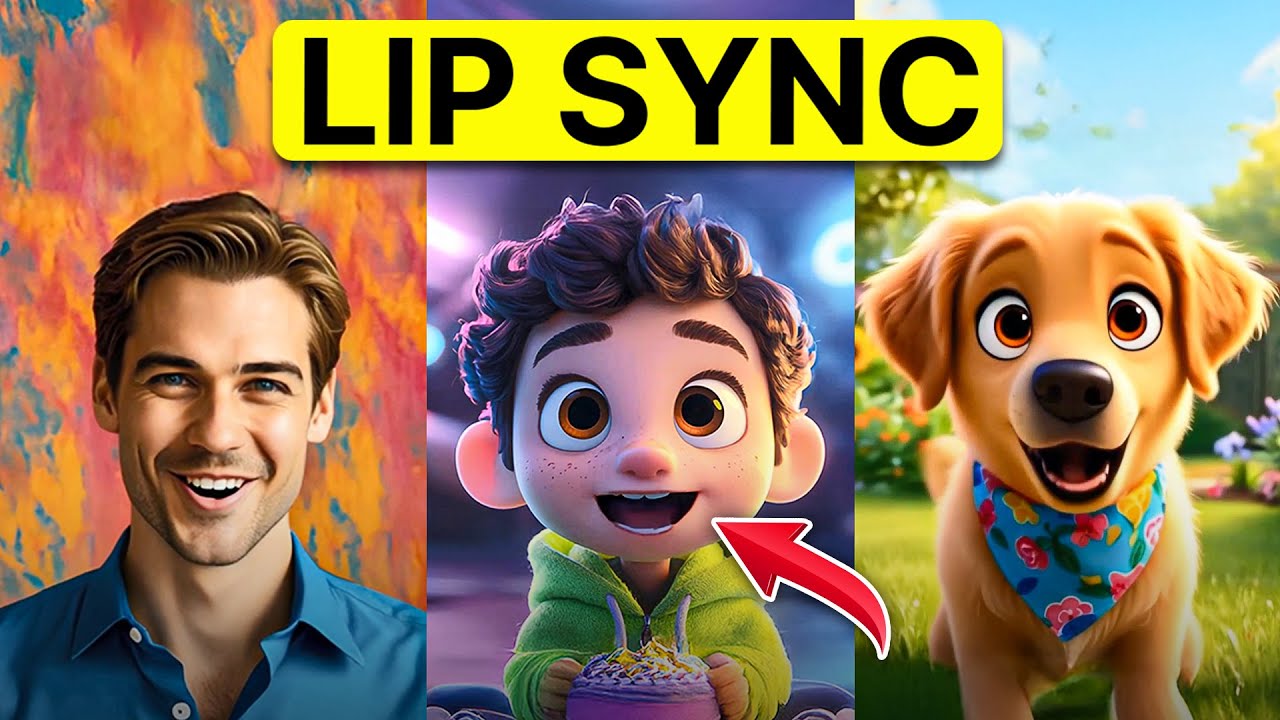
In recent years, artificial intelligence (AI) has completely transformed the way we create and consume digital content. One of the most fascinating developments in this space is lip sync technology, which allows creators to make photos talk, sync lips with audio, and generate realistic talking videos from static images. What once required professional animation studios and complex video editing skills can now be done with a few clicks using AI-powered tools. Lip Sync Technology: Turning Photos into Talking Videos with AI
This article explores lip sync technology in detail—what it is, how it works, its applications, benefits, challenges, and its future potential. Whether you are a content creator, marketer, educator, or tech enthusiast, understanding lip sync AI can open new creative possibilities.
What Is Lip Sync Technology?
Lip sync technology refers to the process of synchronizing a person’s lip movements with spoken audio. Traditionally, lip syncing was used in animation, dubbing movies, and music videos, where characters’ mouths had to match dialogue or songs. With AI, lip syncing has evolved far beyond manual animation.
Today, AI-powered lip sync tools can:
Animate a still photo to make it speak
Match mouth movements to any audio file
Generate realistic facial expressions
Create talking head videos without a camera
In simple words, AI lip sync turns voice into visual speech, making digital faces appear alive and expressive.
How Lip Sync AI Works
At the core of lip sync technology are machine learning models, particularly deep learning and neural networks. These systems are trained on massive datasets of human faces, speech patterns, and mouth movements.
The process generally follows these steps:
- Input Image or Video
The user uploads a photo or short video of a face. This could be a real person, a character, or even an illustration. - Audio Input
The user provides an audio file or types text that is converted into speech using text-to-speech (TTS). - Facial Landmark Detection
AI identifies key facial points such as lips, jawline, eyes, and nose. - Speech-to-Mouth Mapping
The system analyzes the audio and predicts how the lips should move for each sound (phoneme). - Animation & Rendering
The AI animates the face frame by frame, synchronizing lip movement and expressions with the audio. - Final Video Output
A realistic talking video is generated, often in HD quality.
This entire process may take only a few seconds or minutes, depending on the tool.
Making Photos Talk: A Game-Changer
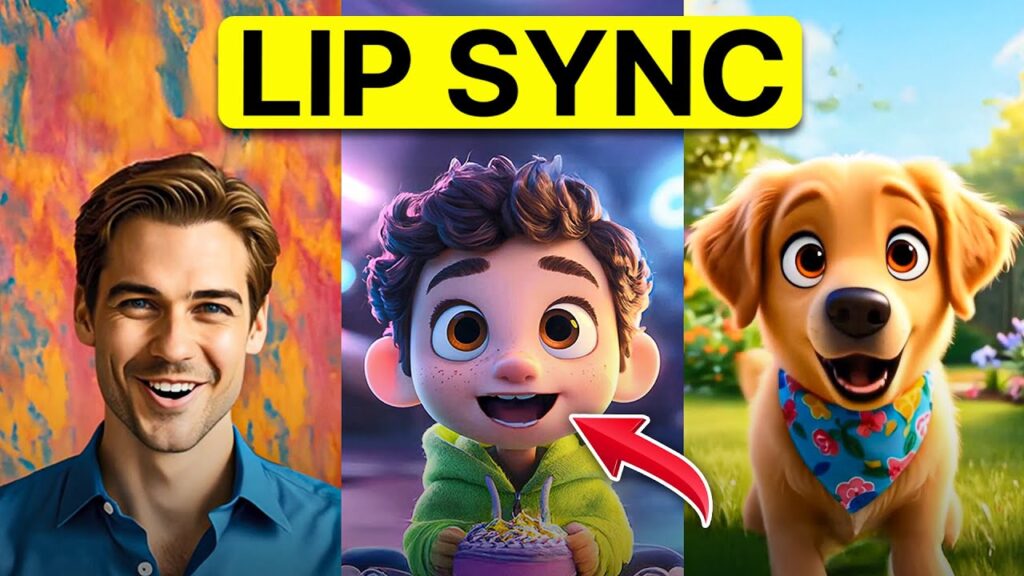
One of the most exciting uses of lip sync AI is photo-to-video animation. This allows users to take a single image and convert it into a talking video.
Why This Is Revolutionary:
No camera or recording setup required
Old photos can be brought to life
Anyone can create professional-looking videos
Perfect for people uncomfortable on camera
For example, a business owner can upload a portrait photo, add a voiceover, and create a spokesperson video. Similarly, educators can turn historical photos into interactive lessons.
Popular Uses of Lip Sync & Talking Photo Technology
- Content Creation & Social Media
Lip sync videos are extremely popular on platforms like TikTok, Instagram Reels, and YouTube Shorts. Creators use AI tools to:
Create talking avatars
Dub videos in multiple languages
Animate characters or memes
This saves time and allows creators to scale content quickly.
- Marketing & Advertising
Brands are increasingly using AI lip sync for:
Personalized video ads
Product explainers
Virtual brand ambassadors
A single photo can be reused to create multiple videos in different languages, making global marketing more efficient.
- Education & E-Learning
Teachers and e-learning platforms use lip sync videos to:
Create virtual instructors
Explain lessons visually
Improve engagement and retention
Talking avatars make online learning more human and interactive.
- Customer Support & Chatbots
AI-powered talking avatars are now used in:
Website assistants
Help desks
FAQ explainers
Instead of reading text, users can watch and listen, improving the overall experience.
- Entertainment & Animation
Lip sync AI is widely used in:
Animated films
Game characters
Voice dubbing
It reduces production costs and speeds up animation workflows.
Benefits of Lip Sync AI Technology
- Time-Saving
Traditional video production can take hours or days. AI lip sync can produce results in minutes.
- Cost-Effective
No need for expensive cameras, studios, actors, or editors.
- Accessibility
People with limited resources or disabilities can easily create videos.
- Multilingual Content
One image can speak multiple languages using different audio tracks.
- Consistency
AI avatars always look the same—no lighting or performance issues.
Challenges and Ethical Considerations
While lip sync AI is powerful, it also comes with challenges that must be addressed responsibly.
- Deepfake Risks
Lip sync technology can be misused to create fake videos of real people saying things they never said. This raises concerns about:
Misinformation
Identity misuse
Online fraud
- Consent & Privacy
Using someone’s photo without permission is unethical and, in many cases, illegal. Responsible platforms emphasize consent and transparency.
- Realism vs. Trust
As AI videos become more realistic, it becomes harder to distinguish real from fake. This makes digital trust a critical issue.
- Emotional Authenticity
Although AI can mimic facial movements, it may still lack genuine emotional depth compared to real humans.
Best Practices for Using Lip Sync Technology
To use lip sync AI responsibly and effectively:
Always use images you own or have permission to use
Clearly label AI-generated content when necessary
Avoid misleading or deceptive usage
Focus on creative, educational, or positive applications
Ethical use ensures long-term trust and acceptance of AI technologies.
The Future of Lip Sync and Talking Videos
The future of lip sync AI looks incredibly promising. As technology advances, we can expect:
More realistic facial expressions
Real-time lip sync during live conversations
Emotion-aware avatars
Integration with virtual reality (VR) and metaverse platforms
In the coming years, digital humans and talking avatars may become a normal part of daily life—from virtual teachers to AI news anchors.
Conclusion
Lip sync technology has transformed the digital content landscape by making it easy to turn photos into talking videos and sync lips with audio using AI. What was once complex and expensive is now accessible to everyone. From social media and marketing to education and entertainment, the applications are endless.
However, with great power comes great responsibility. Ethical use, transparency, and respect for privacy are essential to ensure that lip sync AI remains a positive force in society.
As AI continues to evolve, lip sync and photo-to-video technologies will play a major role in shaping how we communicate, learn, and tell stories in the digital age.