In the age of screen-first communication, a single screenshot can shape opinions, start conversations, and in some cases, destroy reputations. Fake WhatsApp chat generators are tools that let anyone create realistic-looking instant message conversations and export them as images or shareable screenshots. On the surface they look like a harmless prank-maker or a content-creation aid for storytellers — but underneath, they raise serious ethical, legal, and social questions. This article explains what these generators do, how they work, common uses, the risks involved, and practical ways to spot fakes.
What is a fake WhatsApp chat generator?
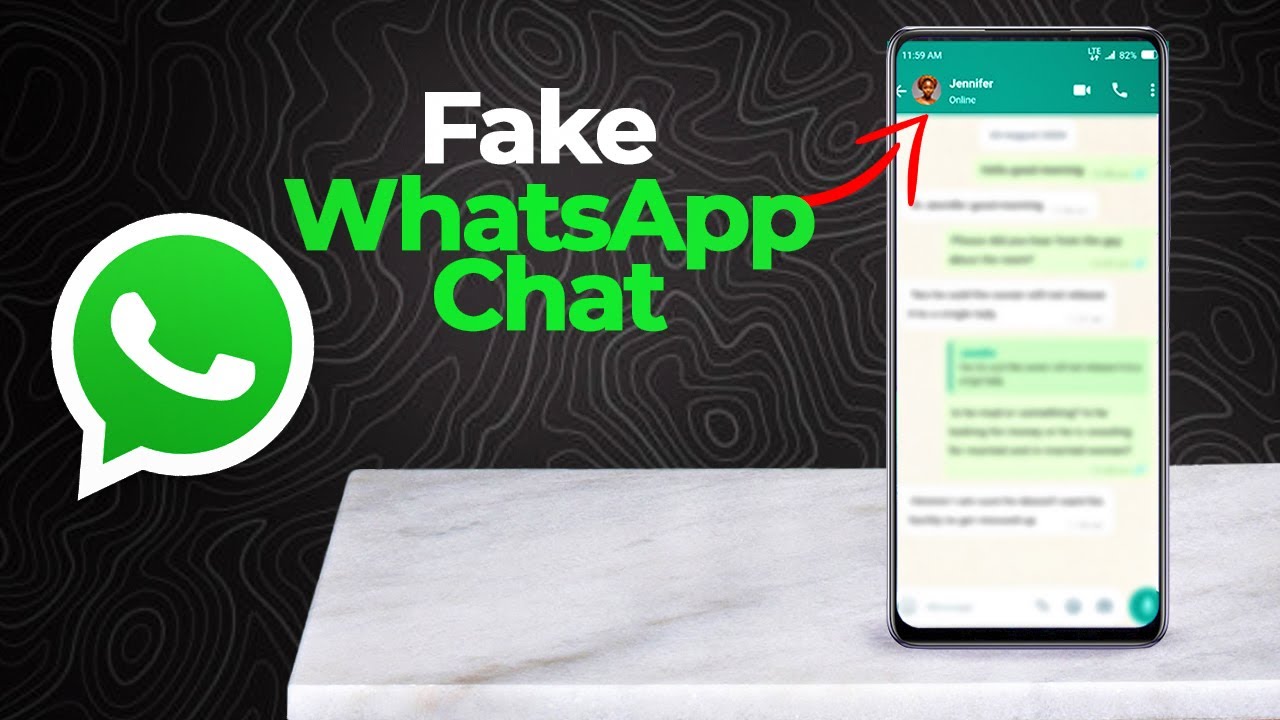
A fake WhatsApp chat generator is a web app, mobile app, or template-based tool that allows a user to build a fabricated chat conversation that looks like it came from WhatsApp. Users can usually set participant names, profile pictures, message content, timestamps, message status indicators (sent, delivered, read), and sometimes even call logs and media attachments. Once the conversation is composed, the tool renders an image or a downloadable file that visually mimics an actual WhatsApp chat.
These generators range from simple meme creators to highly detailed simulators that replicate message bubbles, read receipts, contact details, and smartphone UI elements. Some tools intentionally label outputs as “fake” or “for entertainment only,” while others blur that line by producing near-photorealistic images with no visible disclaimers.
How do fake chat generators work?
Most fake chat generators follow a few common design patterns:
- Template Rendering: The app uses a fixed layout that looks like the WhatsApp interface and fills in user-supplied text, names, and images. The rendering may be done in the browser with HTML/CSS or on a server before returning a static image.
- Style Mimicry: Generators copy fonts, bubble shapes, spacing, timestamps, and status icons. Higher-quality tools pay attention to device-specific details (Android vs iPhone UI), message alignment, and even emoji rendering to increase believability.
- Export Options: Outputs are usually images (PNG, JPEG) or mock screenshots. Some generators allow saving the conversation as a shareable link or as layered files for further editing.
- Optional Extras: Advanced generators let users insert media thumbnails, voice message bars, call icons, or typing indicators. Some include control over message delivery ticks and read receipts.
From a technical standpoint, nothing about these generators is technically difficult: they combine UI templates and user input, then produce a rendered image. The challenge — and the concern — comes from what people do with those images afterwards.
Legitimate and creative uses
There are legitimate contexts where fake chat generators are used responsibly:
Storytelling and fiction: Authors and creators use fabricated chats to present dialogue in a modern, visual format for blogs, short stories, or social posts.
Marketing and content: Social media marketers sometimes create mockups to demonstrate how a chatbot interaction might look or to showcase a product feature.
Pranks and memes: Lighthearted jokes among friends or satire that is clearly labeled as fictional.
Education and training: Demonstrations in digital literacy workshops to teach users how deception can look in messaging platforms.
When used transparently and ethically — for example, with clear labels like “for entertainment only” — these uses can be harmless or even helpful.
Risks, harms, and misuse
Despite benign uses, fake chat generators facilitate several harms:
Misinformation and manipulation: Fake messages can be weaponized to spread false statements attributed to public figures, or to fabricate private conversations that never happened.
Defamation and reputational damage: Circulating fabricated conversations can harm individuals’ personal or professional reputations.
Scams and fraud: Fake chats can be used to create plausible-looking proof for fraudulent schemes, such as fake transaction confirmations or fabricated agreements.
Emotional harm: Manipulative content can be used in domestic abuse, harassment, or blackmail to distress victims or coerce them.
Erosion of trust: Widespread availability of convincing fakes undermines faith in screenshot-based evidence, complicating journalism, law enforcement, and everyday interactions.
Legal consequences vary by jurisdiction but can include civil liability for defamation, criminal charges for fraud, and penalties for identity misuse. The ethical line is clear: fabricating conversations to deceive or harm others is irresponsible and can be illegal.
How to spot a fake WhatsApp chat
Given the prevalence of these tools, digital literacy is essential. Here are practical clues that a chat screenshot might be fake:
Inconsistent typography and spacing: Look for slightly off fonts, mismatched bubble padding, or misaligned timestamps.
Unusual message status behavior: Read receipts that don’t match timing (e.g., “read” ticks appearing before a reply) are suspicious.
Metadata absence: Real chats often include subtle UI details depending on device and OS. A generic or overly “perfect” layout can be a giveaway.
Reused profile images: Reverse-image searching profile pictures can reveal stock photos or images from other profiles.
Contextual incongruities: Content that seems out of character or contradicts known facts about the participants should raise doubts.
Inconsistent time zones and dates: Timestamps that don’t line up with events or time zones may indicate manipulation.
File artifacts: Inspect the image for signs of editing, like inconsistent compression, cloned pixels, or mismatched shadows.
When in doubt, seek corroborating evidence — original message logs, screenshots from both participants, or metadata from the source device. Professionals sometimes request a full export of chat data rather than accepting a single image as proof.
Ethical guidelines and best practices
If you choose to use a fake chat generator, follow these principles:
- Label clearly: Always indicate the content is fabricated when sharing publicly.
- Avoid impersonation: Do not create fakes that impersonate real people without their consent.
- Don’t use for harmful aims: Never fabricate evidence, defame, or try to scam someone.
- Consider privacy: Avoid using real people’s names or photos without permission.
- Use for creative work responsibly: If the chat is part of fiction or satire, make that explicit so audiences aren’t deceived.
These steps protect both you and the people who might be affected by your creations.
The future: automated detection and platform responsibility
As synthetic content becomes easier to produce, technology and policy will play a bigger role in managing risks. Solutions include:
Automated detection tools that analyze image artifacts and inconsistencies to flag likely fakes.
Digital provenance systems that embed verifiable metadata into screenshots, proving authenticity.
Platform policies that penalize content intended to mislead or defame.
User education initiatives that improve public awareness and critical thinking about digital evidence.
Ultimately, technical fixes can help, but cultural norms and legal frameworks must adapt too. The responsibility is shared: creators, platforms, journalists, and everyday users all have roles in preventing misuse.
Conclusion
Fake WhatsApp chat generators are a double-edged sword. On one hand, they empower creators to craft modern, visual stories and serve legitimate educational and entertainment purposes. On the other, they lower the bar for deception, enabling misinformation, fraud, and personal harm. Whether you’re using these tools for a harmless joke or encountering a suspicious screenshot online, the right approach combines technical scrutiny, ethical thinking, and a habit of verification.
We live in an era where visual evidence is easy to fabricate and hard to trust. Building a healthy information ecosystem will require better tools for detection, clearer platform policies, and, perhaps most importantly, a public that asks one simple but powerful question before sharing anything: how do I know this is real?